


Solitaire Rewards
4.8341.00 Reviews
App Specs
- Version
- 15.54.34
- Updated On
- License
- Free
- Downloads
- 100,000+
- Developer
- Apperfun
- Categories
- Card
- Platform
- Android
Screenshots





 Analysis by AppCompare
I often think of solitaire as the ideal shared-phone game: one person can play a hand while waiting for dinner, then pass the device along without needing a group to be present. Solitaire Rewards fits that casual role, but its rewards-oriented presentation makes a little planning useful when several people use the same phone or tablet. I would treat it as a personal pastime first, not as a household competition or a dependable way to earn anything.
One device, different players
A realistic use case is a parent or roommate keeping a phone nearby during a quiet break, then letting someone else have a turn later. Solitaire is naturally suited to short, individual sessions: nobody has to wait for a full group, and a player can focus on their own hand rather than keeping pace with others. That makes the game easier to fit around different schedules than a multiplayer card game.
On a shared device, though, the main question is whose progress and activity the game represents. I would avoid treating one profile or session as a communal score if different people take turns, especially when rewards and social competition are part of the experience. Before handing over the phone, it is sensible to check what screen is open and whether the next player is about to use the same game identity. That small habit helps keep personal play and shared play from getting muddled.
Keep expectations and boundaries simple
The game is free to download, which removes an upfront purchase from the decision, but I would still set a clear boundary around play time. Daily goals and a wheel-style bonus can make a quick visit feel like a reason to come back again, so I would decide in advance whether I am opening the game for one hand or for a longer session. That is especially useful on a device used for school, work, or family tasks.
I would also separate the fun of playing from any expectation of practical earnings. The published article describes gift-card and other reward possibilities, but I would not plan a budget around them or assume that a particular reward is guaranteed. If I were introducing the game to another household member, I would explain that the card game is the main activity and that reward prompts should be approached as optional incentives, not as a reason to keep playing longer than intended.
For a shared phone, a useful routine is to finish a hand before passing it on, rather than leaving a game in progress and expecting the next person to decide what to do with it. If someone wants a clean personal record, using their own device is a clearer boundary than trying to remember who completed which challenge. These are practical habits rather than special family controls, and they help avoid confusion without assuming the app manages separate household profiles.
Coordinating without turning it into a chore
Social play can give solitaire a reason to feel less solitary, but it works best when everyone treats it as a light extra. Comparing scores or joining a tournament may appeal to players who enjoy friendly rivalry; it is less appealing if household members want a quiet game with no standings to follow. I would agree on whether a shared-device player is simply passing time or trying to represent a particular person before comparing results.
Worth Reading Before You Choose

EA SPORTS FC Mobile 26 Is a Bigger Football Game, but It Takes Time

Flipboard Shows What News Apps Must Do Beyond the Feed

Switching to Android Auto Means Rethinking Your Driving Routine

Google Calendar Makes a Crowded Week Easier to Manage

Ludo King Makes the Most of the Minutes Between Plans

Baby Panda World Brings Quick Play to Modern Phones, but Its Game Library Feels Busy
There is also a practical difference between taking turns with one device and connecting with friends. Passing a phone is convenient for a spontaneous hand, while score comparisons and tournaments are better suited to people who want to play independently and check in later. If the goal is simply to relax together, taking turns may be enough. If the goal is to compete, each player should be clear about whose results they are looking at rather than assuming a shared screen creates separate identities.
Age, trust, and choosing the right fit
The game carries an Everyone age rating, so its stated audience is broad. That is useful context for a household deciding whether a basic card game is suitable, but an age label is not a substitute for adult judgment about screen time, rewards, or social play. I would show a younger player how to treat the bonus and competition elements as optional, and I would keep an eye on whether those prompts are making the game feel like an obligation.
Apperfun is the developer, and the game has an average rating of 4.8 from around 1,100 ratings, with more than 200 written reviews. It has passed 50,000 installs, which suggests a meaningful audience without making popularity a guarantee that every household will enjoy its reward-focused approach. It is a free card game, released on March 27, 2025, and version 01.14.28 supports Android 7.0 and later. Those details make it easier to judge whether it fits a device and an age context, but the best test is whether the people sharing the phone are comfortable with the game’s incentives and social elements.
Who will enjoy it, and who may prefer another solitaire
I would recommend it to someone who already likes classic solitaire and wants small goals, visual customization, and reasons to return between ordinary games. It also suits a player who enjoys comparing results or trying tournaments, provided that the competitive layer feels motivating rather than stressful. The familiar card format keeps the basic appeal accessible, while the extra objectives give routine play a more directed feel.
On the other hand, someone who wants a quiet, stripped-back version of solitaire may prefer a simpler alternative without reward prompts, daily missions, or social competition. A player who dislikes checking in regularly may find the daily structure less relaxing than a game that simply lets them start and stop without an incentive loop. And if the main goal is to play with another person face to face, a physical deck or a game designed around shared turns may be a better fit than a mobile solitaire experience.
Compared with the usual solitaire apps, the meaningful distinction here is not the basic card format but the surrounding reward and social framing. That can make a hand feel more purposeful, but it also adds distractions that a minimalist game avoids. I would choose based on what I want from a break: Solitaire Rewards when I want objectives and optional competition, a plain solitaire app when I want fewer prompts, and a tabletop game when conversation and shared attention matter more than solo play.
First Impressions
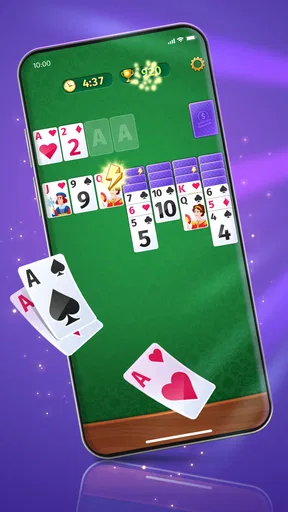
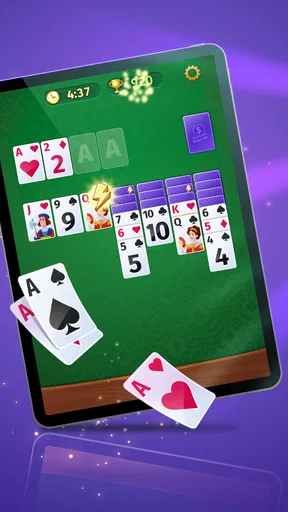
When I first opened Solitaire Rewards, I was greeted with a sleek and modern user interface. It’s super easy on the eyes, which is great because I’ve seen my fair share of card games that look like they were designed in the early 2000s. The colors are vibrant, and the cards are easy to read, even for someone like me who sometimes struggles with tiny text on mobile screens.
The app is pretty intuitive. You get right into the action without having to wade through endless menus. This makes it perfect for those quick breaks during the day when you just want to kick back and unwind with a few rounds of solitaire.
The Gameplay
Alright, let’s talk about what really matters—the gameplay. Solitaire Rewards offers a classic solitaire experience but with a few modern twists that keep things interesting. For starters, the game includes various challenges and daily missions. These are a fantastic way to keep you engaged, as they add layers of objectives beyond just finishing a game. You can earn in-game rewards, which can be used to unlock new card designs and backgrounds. Gotta love that customization!
Another thing I really appreciated is the hint system. If you’re ever stuck, you can get a nudge in the right direction without feeling like you’re cheating. It’s perfect for those moments when you just can’t see any moves but know there’s something you’re missing.
Rewards and Incentives
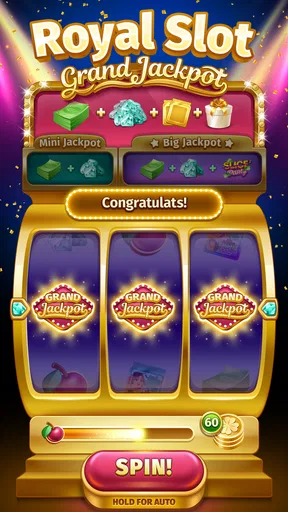
Now, the name Solitaire Rewards isn’t just for show. The game has this neat feature where you can earn real-world rewards. Yes, you heard that right! As you play, you accumulate points that can be redeemed for gift cards and other goodies. It’s a nice touch that adds an exciting incentive to keep playing. Who wouldn’t want to earn a little something extra while having fun?
The app also has daily bonuses and a spin-the-wheel feature that gives you a chance to earn even more points. It’s kind of like a little mini-game within the game, which helps keep things fresh and exciting each day you log in.
Social Features
If you’re the competitive type, you’ll definitely appreciate the social features integrated into Solitaire Rewards. You can connect with friends, compare scores, and even participate in tournaments. It’s a fun way to challenge yourself and others, adding a layer of interaction that many solitaire games lack.
For those who enjoy a bit of friendly competition, tournaments are where it’s at. You can climb leaderboards and show off your skills. Plus, winning tournaments comes with its own set of rewards, which is always a nice bonus.
Final Thoughts
Overall, Solitaire Rewards is a refreshing take on a classic game. It manages to keep the soul of traditional solitaire while injecting enough modern features to keep things interesting. Whether you’re a solitaire veteran or new to the game, there’s something here for everyone.
The app is free to download on both Android and iOS, so it’s definitely worth checking out if you’re on the hunt for a fun and rewarding card game. Just be prepared to lose track of time—once you start playing, it’s hard to stop!
So, what are you waiting for? Grab your phone, download Solitaire Rewards, and start stacking those cards! You might just earn some cool rewards along the way.
Pros
- User-friendly interface enhances playability.
- Smooth animations create a pleasant experience.
- Variety of game modes keeps it engaging.
- Reward system offers real incentives.
- Frequent updates improve functionality.
Cons
- Ads can be intrusive and frequent.
- Limited offline play options available.
- Reward redemption process can be slow.
- Some features locked behind paywalls.
- Occasional crashes on older devices.
FAQs for Solitaire Rewards
What is Solitaire Rewards and how does it work?
Solitaire Rewards is a mobile app that combines the classic game of Solitaire with a rewarding twist. Players can enjoy traditional Solitaire gameplay while earning points that can be converted into real-world rewards. The app tracks your progress and points can often be redeemed for gift cards or discounts, providing a fun incentive to play.
Is Solitaire Rewards free to download and play?
Yes, Solitaire Rewards is free to download and play on both Android and iOS platforms. While the core game is free, there may be in-app purchases or ads. These purchases can enhance your experience by offering additional features or removing ads. It’s entirely up to the user whether to spend money or play for free.
Are there any age restrictions for playing Solitaire Rewards?
Solitaire Rewards is generally suitable for all ages, but it’s important to check the app's age rating on the app store. Some features, like in-app purchases or advertisements, may require parental guidance for younger players. Always review the app's terms and conditions to ensure it meets your criteria for safe usage.
How do the rewards work in Solitaire Rewards?
In Solitaire Rewards, players earn points by completing games and challenges. These points accumulate over time and can be redeemed for various rewards such as gift cards or merchandise. The app typically provides a clear guide on how to redeem points, and users should frequently check for any updates or changes to the rewards system.
Does Solitaire Rewards require an internet connection to play?
Solitaire Rewards primarily requires an internet connection to access its rewards system and updates. However, the basic Solitaire gameplay might be available offline. For the best experience, including accessing leaderboards and earning rewards, a stable internet connection is recommended. Always check the app’s requirements before playing to ensure compatibility.


